Why your logo
isn't your brand.
Understanding the essential difference between visual identity and brand identity.
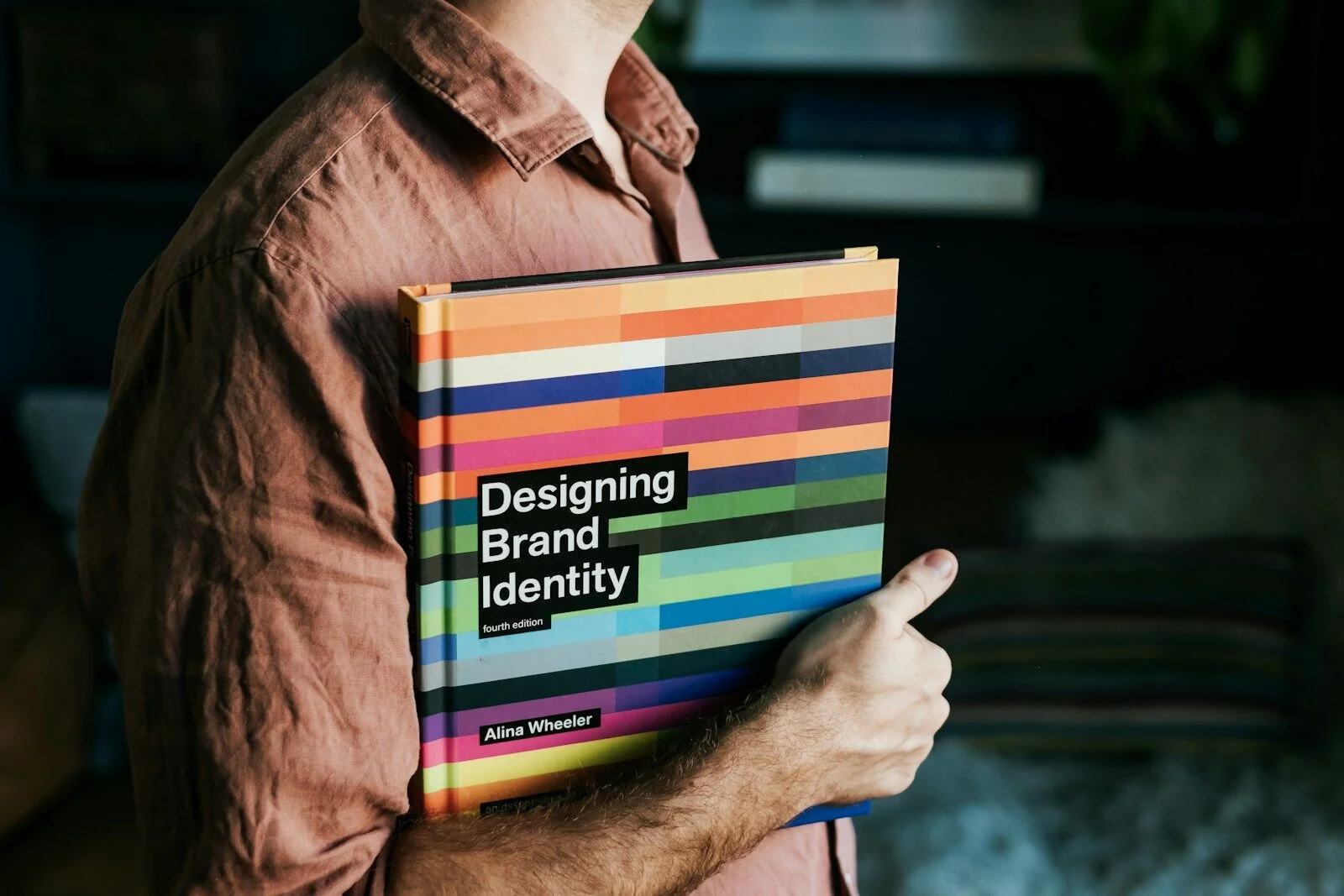
Most brand projects begin with the same sentence: "I need a new logo." It's rarely true. What's being asked for is a mark. What's actually needed is a vision.
As a communication agency, we hear this confusion between logo, visual identity and brand identity every single month. It isn't serious in itself — except that it's expensive. Many companies invest in a new logo hoping to fix a problem that drawing can never solve.
Three objects, three scales
We're not talking about the same thing, and that's precisely where the trouble starts. Before drawing anything, you need to know what you're trying to build — and at what level.
The logo is the mark. A shape, sometimes a word, designed to be recognisable. Apple is an apple. Nike is a swoosh. Niyah is an N with an orange exclamation mark. A logo has no intrinsic meaning. It isn't supposed to. Its function is identification, not expression. When Nike adopted its swoosh in 1971, it meant nothing — it took fifty years of products and sporting stories to give it all the intensity it carries today.
The visual identity is the entire graphic vocabulary that surrounds the logo. The colours, the typefaces, the icons, the photography, the layouts. The way these elements are combined. It's a system — not an object. The logo is part of it, but only one element among many. A little like the signature on a letter: important, yes, but it isn't what carries the message.
The brand is what happens in people's heads. It's the whole set of associations, emotions, impressions and memories a company evokes. A brand includes everything:
- The product itself
- Customer service
- The buying experience
- The way you speak, both out loud and in writing
- What you choose to do, and above all, what you choose not to do
- Packaging, signage, advertising
- The smell of a shop, sometimes
"Your brand is what other people say about you when you're not in the room." — Jeff Bezos
Why it matters
When a client calls us to "redo their logo," we always take the time to trace the issue back. Most of the time, the logo isn't the problem. The problem lies upstream: the positioning isn't clear, the tone doesn't come through, the customer experience is inconsistent.
Redoing the logo in that situation is like repainting a car with a dead engine. It shines, but it still won't drive.
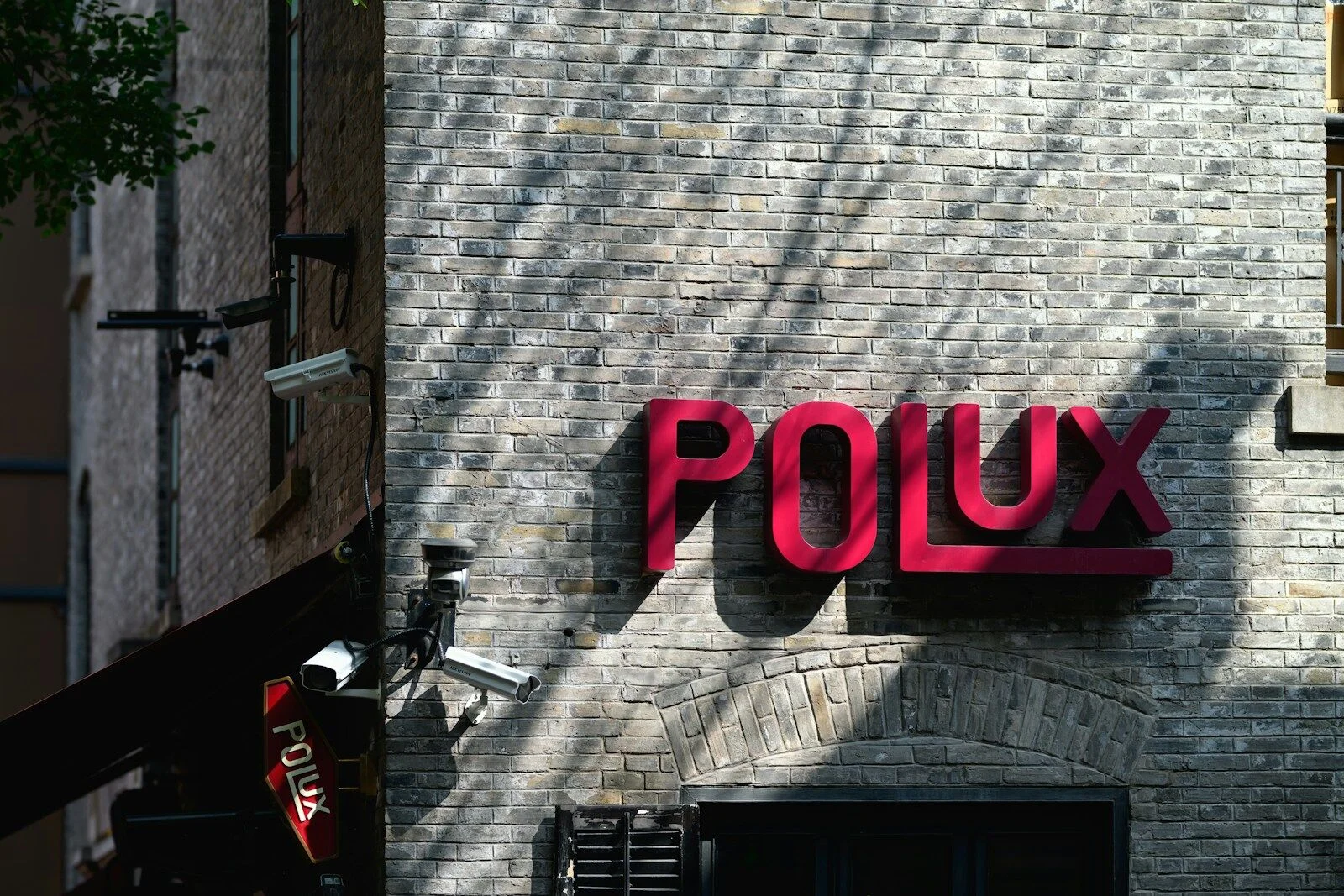
Conversely, a strong brand can survive several logos. Apple has had five different ones since 1976. Burberry switches between its wordmark and its equestrian knight depending on the era. Mastercard radically simplified its logo in 2016 — yet the brand didn't shift a single millimetre.
The truth is we often confuse appearance with substance. The logo changes with trends, contexts and media. The brand, on the other hand, is meant to hold for decades.
"A logo can be beautiful and the brand mediocre. The reverse is just as true."
Build a brand, not a logo
When we start a project at Niyah Design — an independent communication agency — we systematically take the opposite approach. We don't draw before we understand. We ask uncomfortable questions:
- Who are you doing what you do for?
- What emotion do you want to leave behind after someone interacts with you?
- What are you not willing to compromise on?
These answers don't translate into a logo. They translate into strategy, into a system, into consistency. The logo comes at the end — like the signature at the bottom of a work, once the work already exists.
It's slower, more demanding, sometimes frustrating for clients in a hurry. But it's exactly what separates a brand that lasts from a logo that fades.
Five questions to ask before you think about a logo
- What do you want people to feel? Not what you want to say — what you want them to feel.
- What do you want to be understood for? Not the official message — the one that lingers after six months without contact.
- What will you never do? More important than what you will do. A brand is also a set of deliberate refusals.
- How do you want to treat people? Your clients, your employees, your suppliers. Tone is shaped there, and it always shows.
- Who can recognise your brand without seeing it? When people identify your voice on the phone, your tone in an email, your rhythm in a post — you have a brand.
In short
The logo is the last step, not the first. It's the visible signature of an invisible system. When you start with the logo, you build a house without foundations — and then act surprised when it collapses.
So the next time you say "I need a logo," pause for a second. Ask yourself instead: what am I trying to bring into existence in the world? The answer is rarely graphic. But it's always essential.