Why we reject
90% of typefaces.
There are hundreds of thousands of typefaces out there. We rule out almost all of them. Here is what we really look for in a typeface before we entrust it to a brand.
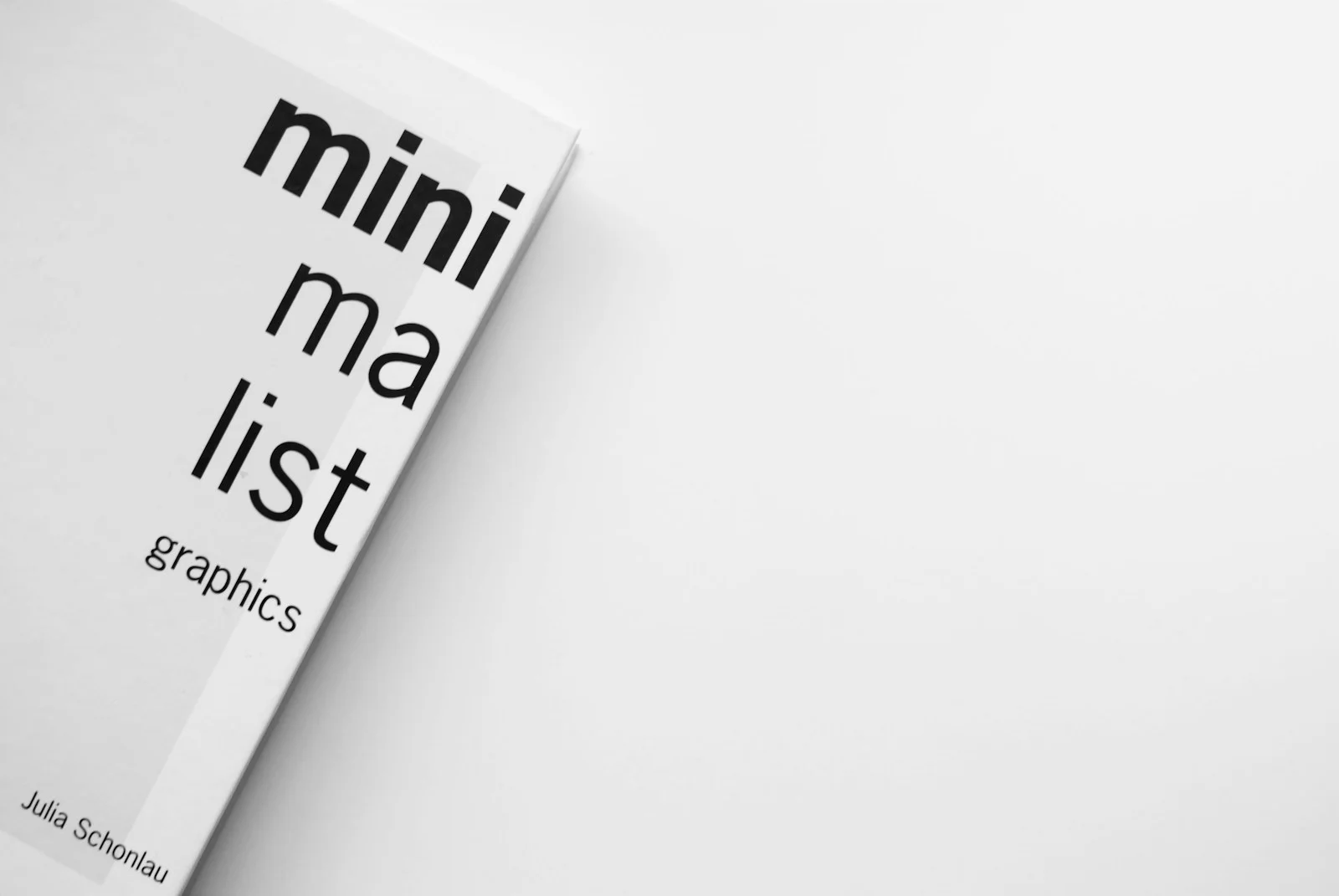
We are often asked how we "choose a typeface." The truth is that we don't choose — we eliminate. Faced with the hundreds of thousands of fonts available on Fontshare, Google Fonts or independent foundries, the job isn't to find a beautiful typeface — there are thousands of those. It's to rule out, methodically, everything that won't hold up.
For every ten typefaces that "look tempting" in a specimen, nine end up in the bin. Not because they're ugly — because they fail on a criterion you don't see at first glance. Here are the five filters a typeface must pass to make it into a brand identity.
"You don't choose a typeface. You eliminate everything that won't hold up."
Criterion 01Legibility is non-negotiable
Before it can be beautiful, a typeface has to be read — at 9 pixels in a legal notice as much as at 4 metres on a shopfront. We systematically test the pairs that trip you up: the uppercase I, the lowercase l and the 1; the O and the 0; the rn that blurs into an m. A typeface that fails these tests is ruled out on the spot, however charming it may be.
We also put it into a real-world setting: a real paragraph, a real price, a real phone number — never the eternal "The quick brown fox," which says nothing about actual use. A font is judged in context, not in a display case.
Criterion 02A voice, not just a shape
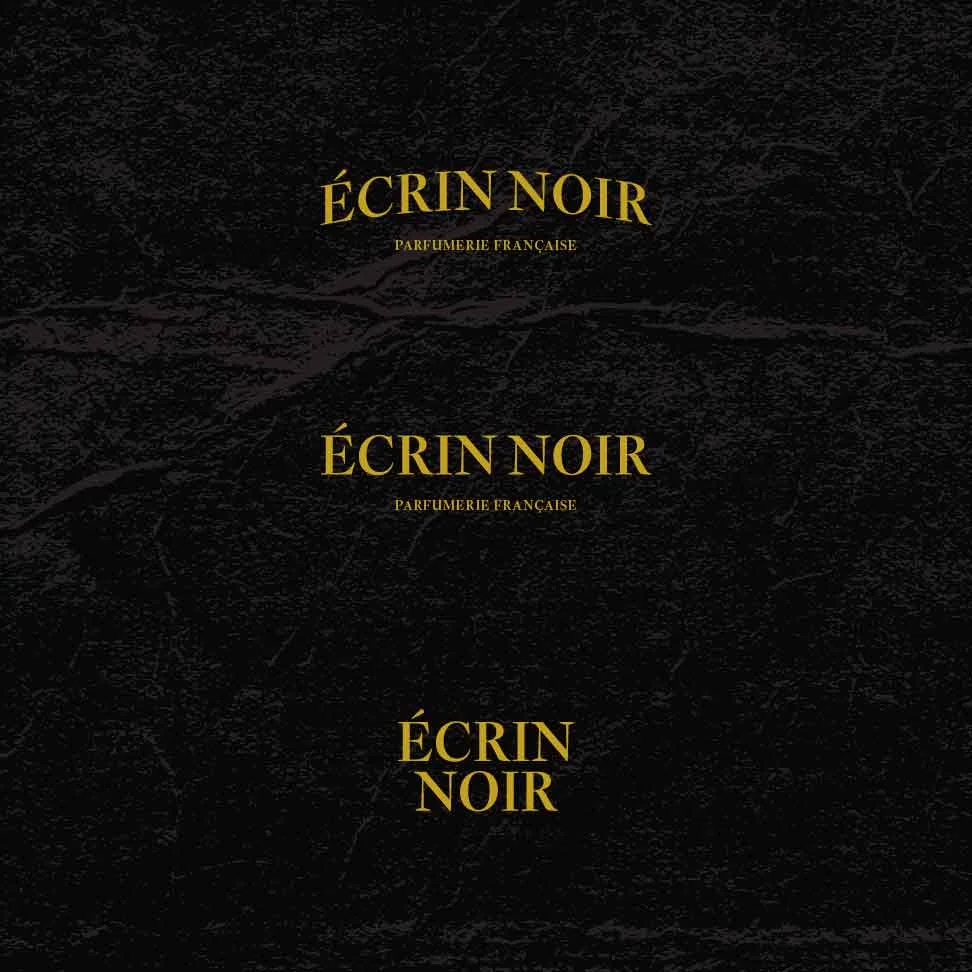
Every typeface has character — in the literal sense. A Swiss grotesque doesn't say the same thing as a transitional serif or a geometric display face. The question is never "is it pretty?" but "does it say the right thing for this brand?". A luxury typeface on a popular burger chain rings false; so does a playful display face on a law firm.
That's why we sometimes accept leaving ready-made fonts behind. On Beldi Bikes, no typeface on the market carried the raw energy we were after: we went through a bespoke drawing so the lettering would have the right voice. The right character beats the right shape.
A family, not a typeface
A brand lives across dozens of touchpoints. A font with a single weight is a dead end: you can't set a heading, a subheading, body copy and a caption into a clear hierarchy without enough weights. So we look at the complete family:
- Enough weights (from light to bold, ideally a black) to build a hierarchy
- True drawn italics, not a mere automatic slant
- The accented characters and the languages you need — é, è, ç, œ… and sometimes Arabic or Cyrillic
- The numerals (tabular for prices, oldstyle for text) and the full punctuation set
This is the same logic that underpins this very site: Clash Display for impact, Switzer for body copy, Boska for accent italics and JetBrains Mono for technical detail. Four families that cover every use without ever stepping on each other.
Criterion 04The invisible craft
This is where most free typefaces fall down. An amateur font betrays its origins in the details: sloppy kerning (the spacing between letters) that leaves ugly gaps, rough hinting that makes it blurry on screen, missing OpenType features (ligatures, stylistic alternates, small caps).
And then there's the question that eliminates without appeal: the licence. A gorgeous typeface that's barred from commercial use, from logos, or from web embedding (woff2) is no use to a client. We always check the rights before falling in love with a font — not after.
The right pairing
A typeface is rarely chosen on its own. Most identities rest on a pairing — a display face and a text face — or even a trio. And here the rule is paradoxical: you need enough contrast for each to have a clear role, but enough kinship (proportions, era) for the whole to feel self-evident.
Two typefaces that are too alike blur together; two that are too opposed shout over each other. A good pairing is the one you don't notice — it simply looks right. Finding that point of balance is often what takes the most time in the entire project.
In conclusion
Rejecting 90% of typefaces isn't being demanding for its own sake. It's what separates an identity that lasts five years from one you'll have to redo within a year. Typography is a brand's everyday clothing: you see it everywhere, all the time, far more often than the logo itself.
If you have a project where typography has to truly work — and not just "look nice" — let's talk.
"A good typographic pairing is the one you don't notice."